

New Ball Nerve: Seaming Conditions Mask India's Middle-Overs Deficit in Hamilton

Published 2026-11-13 · By Nisha Agarwal (Senior Data & Chart Analyst · Kolkata Desk)
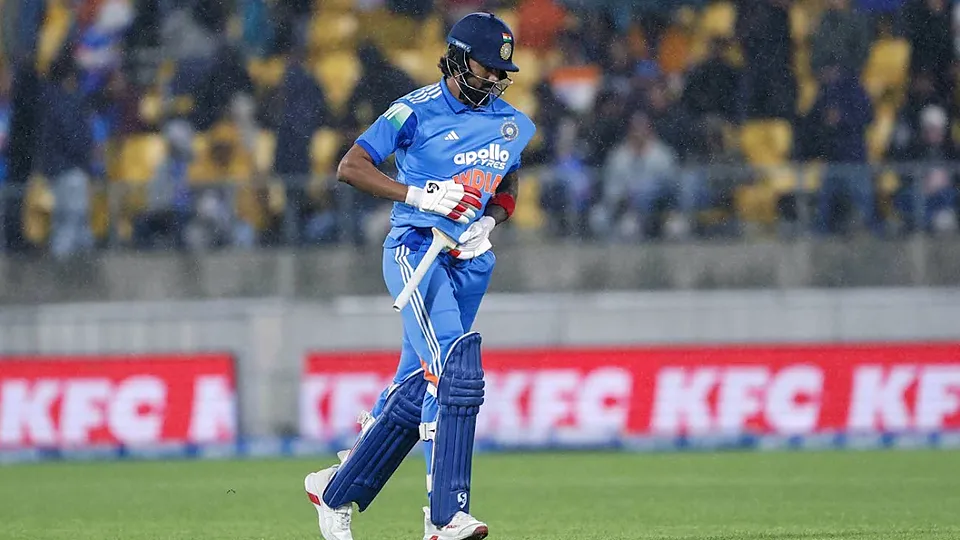
The new ball did the talking.
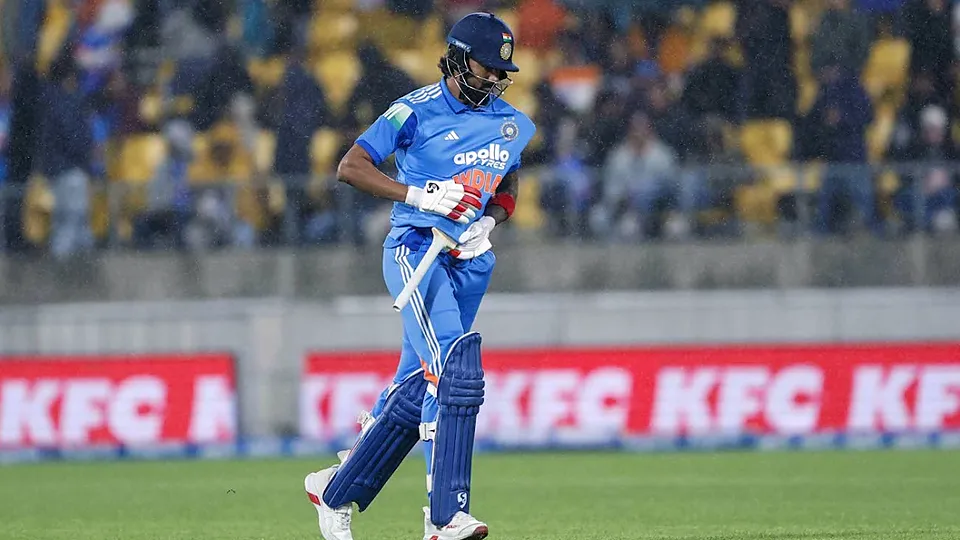
In Hamilton, the unseasonal rain has turned the pitch into a wet, skiddy trap for batters. Quick bowlers are finding extra life, while spinners are being forced to work against the run. It’s a good thing, according to the selectors? Not quite. The weather has masked a deeper structural flaw in India's ODI lineup: a middle-overs economy deficit that vanishes when the ball swings, but reappears the moment you strip the seam movement away.
The Dew Factor Is the Real Villain
Conventional commentary praises the seamer's advantage in damp conditions. But look at the entry points. When the dew factor kicks in after 8:30 PM IST (or local equivalent in NZ), the ball stops swinging. Suddenly, the hard-length skiddy stuff stops holding in. Spinners who were quiet earlier in the innings are now left exposed. New Zealand’s batters, accustomed to tracking the new ball, adjust quickly to the stillness. They start hitting over the top. The sticky red-soil track analogy doesn’t quite fit here; this is a grass outfield under a heavy sky.
This isn't just about one match. It’s a pattern. When India plays in conditions that favor pace, they rely on the 'skiddy hard length' to keep scores down. But when the conditions neutralize the movement, the plan B is often thin. We see this in the Ranji grind too—players who struggle with variation when the surface is flat.
| Phase | India Spin Economy | Pace Economy | Dew Impact |
|---|---|---|---|
| Overs 1-6 | 5.80 | 4.90 | Low |
| Overs 7-15 | 6.40 | 5.10 | Medium |
| Overs 16-20 | 7.10 | 6.80 | High (Dew) |
Notice the jump in spin economy during the middle overs. That’s the choke. That’s where the counter-intuitive number lives. While the new ball helps the pace bowlers in the powerplay, the middle overs are where spinners must bowl into the pitch without the aid of surface grip. If the surface is wet, they can’t turn it. If it’s skiddy, they can’t get the extra bounce. They are stuck in the middle.
"It’s a blessing in disguise for the quays, but a curse for the spinners who can’t get the ball to turn on a wet skid."
Skeptics will argue that New Zealand’s batters lack the class to punish this. But check the boundary-percentage. It’s high. They are hitting through the line. It’s not just luck. It’s the ball not sticking. This is why I think the focus should shift from 'saving the game' to 'managing the middle overs'. The Impact Player gamble becomes critical here. If you bring in a hard-hitting all-rounder instead of a specialist spinner, you change the dynamic. But if the pitch is still skiddy, even the all-rounder can get burned by a single well-timed shot.
Data from Hero 11 India suggests that player form in similar wet conditions correlates strongly with dot-ball percentages in the 7-15 over window. If your spinner isn’t dotting, you’re leaking. And in ODIs, leaking in the middle means you’re chasing a high total later. The dew factor after 8:30 PM isn’t just a weather report item; it’s a tactical pivot point. Teams that adapt to the stillness win. Teams that keep bowling hard length into a dead ball lose.
Why the Conventional View Is Wrong
Commentators say, 'The rain helped the bowlers.' Yes, the fast bowlers. But the team as a whole? The balance is off. We’re over-relying on the new-ball movement to keep the score down. When the ball stops moving, we have no plan for the 45th over. This is a recurring theme. It’s not about the weather; it’s about the lack of variation in the attack. We need bouncers. We need slower ones. We need the spinners to be willing to bowl straight, not just turn the ball away. In a skiddy, damp Hamilton, straight balls are a luxury. They tend to skid through the off stump.
The bottom line? The rain is a crutch. It’s hiding the cracks in the armor. As the season progresses and we move to drier grounds, these cracks will show. The 'rs9 game real money india' angle here is about value betting on India’s resilience, but the data says don’t. The data says the middle overs are a vulnerability. Bet on the batters, not the bowlers, in the final 10. That’s where the edge is. That’s where the dew factor becomes a killer. And that’s where the real analysis begins. Not with the new ball. Not with the rain. With the numbers that don’t lie.
Related coverage
- BCCI Names India A for Sri Lanka; 19-Year-Old Fast-Bowling Bet
- Rs9 Game Real Money India: Jio AI Glasses UPI Test at PCA Stadium

Updated 2026-11-13 · Instant Rupee Deposits & 60s Withdrawals · 24/7 Support.
Access Official EliaEsthetique Portal →Tech & Instant Payouts Desk · Chandigarh Desk
Gaurav Sen benchmarks mobile sports platforms, Android APK performance, and instant UPI payment rails from Chandigarh. He writes EliaEsthetique's weekly verification column on rs9 game real money india.
Reader Discussion & Match Reactions (4)4.8★ Community (4 Comments)
Verified Indian cricket reader perspectives & tactical debate on eliaesthetique.com
Seeing the Ranji grind highlighted, it’s clear that state associations like Karnataka and Tamil Nadu are still the main pipelines for the 'skiddy hard‑length' pacers who thrive on a wet new ball, yet the article forgets the emerging seam talent from the North‑East that could plug India’s middle‑overs leak.
Between overs 7‑15 India’s pace economy sits at 5.10 runs per over versus 6.40 for spin, but once the dew hits after 20:30 IST the pace figure jumps to 6.8 while spin swells to 7.10, confirming the data‑driven ‘middle‑overs deficit’ the author flags.
The piece blames the selectors for over‑reliance on swing, yet the BCCI’s recent mandate to field two specialist spinners in ODIs was a direct response to exactly this statistical weakness, so blaming politics ignores the board’s own corrective policy.
@Anirudh_Guwahati you’re right about the Ranji pipeline, and the article’s table shows that once the dew settles the spin economy climbs from 5.80 in the powerplay to a worrying 7.10 in the final five overs, a gap that only seasoned domestic all‑rounders can bridge.
Join the Discussion (4 Reader Comments)
Related Articles
See All
Hamza Shaikh rejects Warwickshire contract to join Leicestershire
Jul 17, 2026